


Advanced Engine Management Calibration
Advanced Engine Management System Calibration
The continuation of the Engine Management Systems and Dyno Tuning in Theory and Practice course, for those who need the best ECU training available. Two days of classroom and chassis dyno practice.
OVERVIEW
About this course
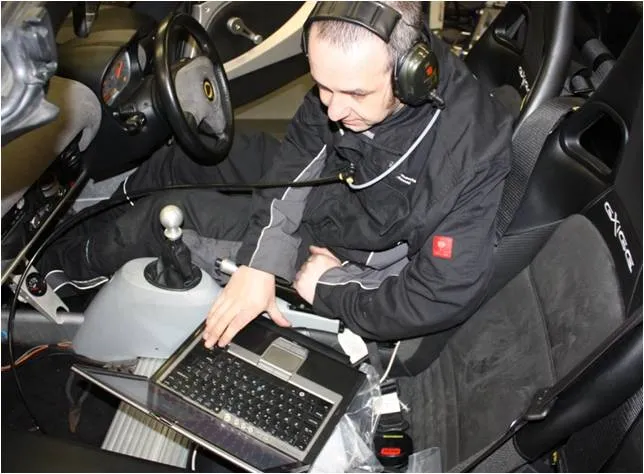
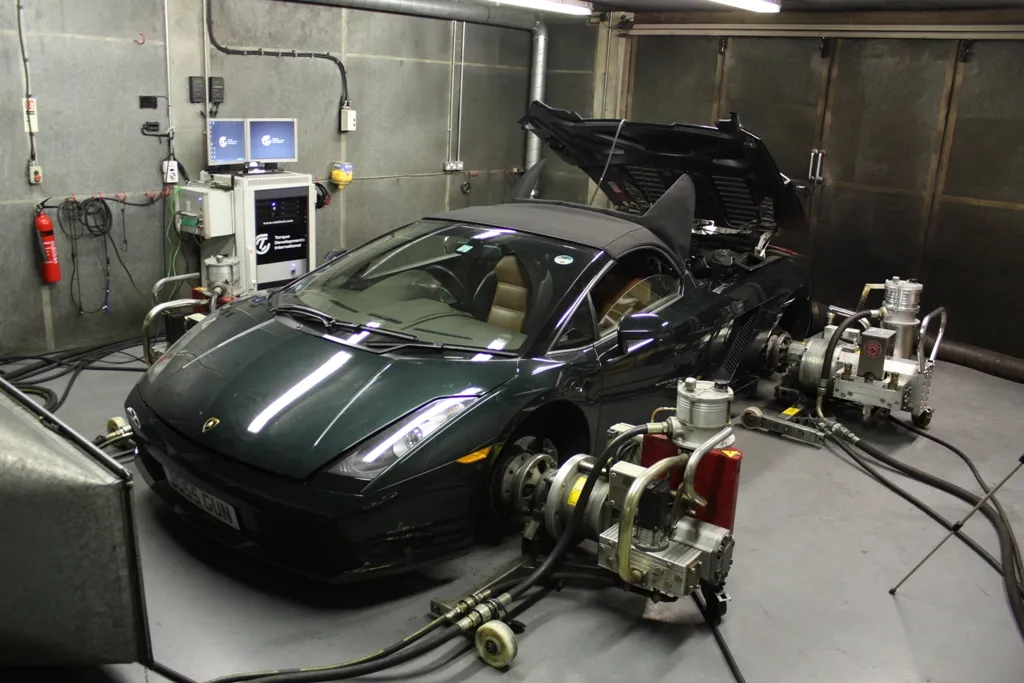
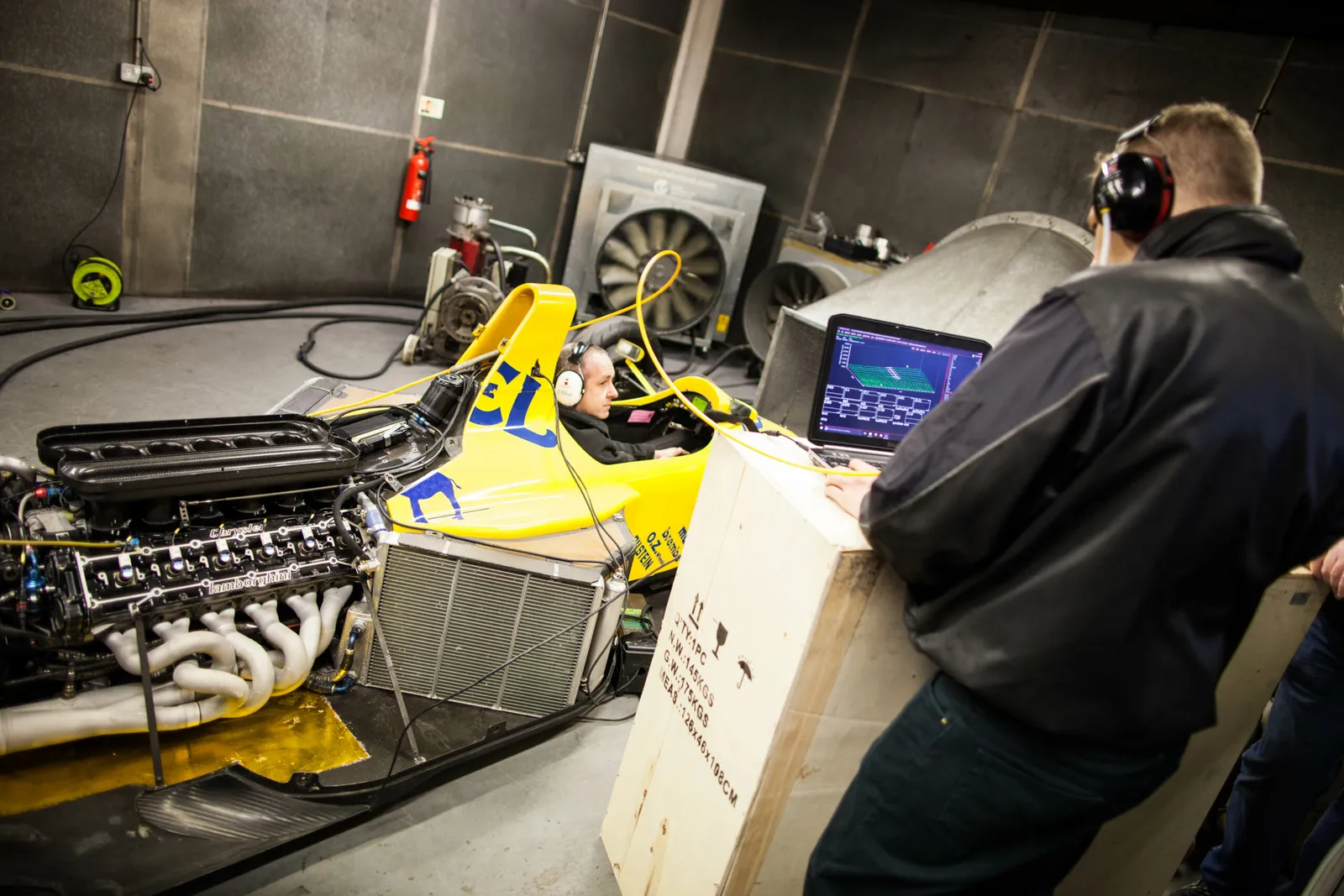
The Advanced Engine Management Calibration training course is a continuation of the Engine Management Systems & Dyno Tuning in Theory and Practice course, and is specifically for those who need the best ECU training available. We cover the more complex and thorny subjects concerned with engine management and advanced tuning techniques. This course is consists of two days and is split into both classroom and practical training in the chassis dyno environment.
The aim of the Advanced Engine Management Calibration training course is to demystify and explain in detail the workings of and the required methods for programming the most complex aspects of modern engine management systems.
We take you through the advanced theory of engine control systems and detail the processes necessary to calibrate the advanced functions of a modern ECU effectively and safely.
OUTCOMES
What you will learn
- Understanding fuel chemistry and fuel delivery systems including direct injection
- Understanding engine protection control methods and practices
- Understanding the theory and practice of PWM control and PID closed loop systems
- Understanding detonation combustion and the automated systems used to detect and control it
- Understanding four-dimensional tuning why we have it and how to work with it
- Understanding the different requirements of racing and road vehicle powertrain
- Understanding advanced engine calibration methods and practices in order to produce maximum performance accurately and safely in the minimal amount of time.
PROGRAMME2 DAYS
What each day covers
- 01
Day 1 – The classroom
- An introduction to the course and a run through of the subjects covered
- Fuel Science – a good look at the chemistry of various Petrol, Diesel and Alcohol fuels, how the chemical makeup influences physical properties of fuels and a study of the effects of these variables have upon the eventual combustion events in our engine.
- Fuel Systems – the theory and design of fuel delivery and charge preparation including direct injection and selecting the right design of fuel system and fuel injectors for any specific application.
- Detonation combustion conditions “detection and control” – We re-cap the subject of detonation combustion as covered in the EMS A1.1 course, we cover in-cylinder pressure analysis and discuss its use as detonation detection. We then cover the subject of acoustic detonation detection and finally the subject of automatic detonation control with advanced engine management systems.
- Engine damage protection using advance engine management – the various methods we can use to help prevent expensive and dangerous damage to powertrain hardware and to your reputation!
- PWM actuator control – a detailed look at Pulse Width Managed actuators encompassing fuel injectors, ignition systems and actuation solenoids.
- PID closed loop control systems – understanding, implementing and controlling proportional/integral/derivative closed loop control systems such as a drive by wire throttle, boost control, cam angle control, vehicle ground speed, etc.
- Four dimension engine control – we look at the increasing need for four-dimensional engine control explain the subject and cover just how to work with such a control system
- A focus on the specific powertrain needs of a competition vehicle – We look at the special needs and wants of competition powertrain pointing out the areas of high importance and areas of lesser importance to allow you to spend time and effort effectively.
- A focus on the specific powertrain needs of a road-going vehicle – We look at the special needs and wants of road vehicle powertrain pointing out the areas of high importance and areas of lesser importance to allow you to spend time and effort effectively
- Traction control and launch control – a look at how it works and how to optimise tyre grip via ECU calibration.
- Gearbox control – an overview of Motorsport sequential gearbox operation, and the control thereof.
- Direct injection – an overview of the emerging technology of direct injection, and a look at the benefits and control requirements.
- Advanced dyno tuning techniques – a master class on high accuracy high-efficiency engine management calibration with a focus on safety for the calibrator and the hardware being worked on.
- A final summary of the training followed by a question and answer session
- 02
Day 2 – The dyno cell
- A focus on the specific powertrain needs of a competition vehicle – We look at the special needs and wants of competition powertrain pointing out the areas of high importance and areas of lesser importance to allow you to spend time and effort effectively.
- A focus on the specific powertrain needs of a road-going vehicle – We look at the special needs and wants of road vehicle powertrain pointing out the areas of high importance and areas of lesser importance to allow you to spend time and effort effectively
- Advanced dyno tuning techniques – a master class on high accuracy high-efficiency engine management calibration with a focus on safety for the calibrator and the hardware being worked on.
- A final summary of the training followed by a question and answer session
IS IT FOR YOU?
Who it is for
This course suits
- Those who need the best ECU training available
- Delegates who have attended the Engine Management Systems and Dyno Tuning in Theory and Practice (A1.1) course
Before you book
The Advanced Engine Management Calibration course is only available to delegates who have attended our Engine Management Systems and Dyno Tuning in Theory and Practice (A1.1) course, as it is designed to expand upon the previous learning.
THE DETAIL
What is included
- Expert tuition and first-class facilities
- Refreshments throughout the day
- A course completion certificate
- A notebook, pen and calculator
- Venue
- Classroom at the Centre for Mechanical and Engineering Excellence (CEME), Marsh Way, Dagenham, Essex, RM13 8EU. Practical sessions on the Rototest chassis dynamometer at Torque Developments International, Unit 5 Cliffside Trade Park, Motherwell Way, Thurrock, Essex, RM20 3XD.
DELEGATE FEEDBACK
What past delegates said
“Sam is a great teacher, methodical, logical and patient”
Paul Elbourne - Mclaren GT Engine Technician “Very professionally taught, friendly staff”
Farhaan Shaikh - Marussia F1 Technician “Feeling much more confident in calibrating OEM and Syvecs ecu’s now”
Ashley Stewart; Regal Autosport “Absolutely brilliant!”
Ben Koflach – Motorsport Engineering Graduate and Bazai magazine journalist “I’ve attended many ECU courses around the world and didn’t understand everything like I do in this course”
Khalaf Alsaeed – Automotive Engineer (Kuwait) “Very good content, wide range of info, dyno demonstrations very helpful”
Ritchie Hood - Motorsport Engineer
ENDORSED BY
Accreditation and partners

QUESTIONS
Frequently asked questions
How does the Academy of Motorsport Sciences differ from other course providers?
Our day to day business relies on our competencies on delivering great service to the Motorsport industry. When we’re not producing race-winning racing cars we’re teaching people how to do the same! We're the only academy that is accredited by the Institute of the Motor Industry (IMI) and the Motorsport Industry Association (MIA), and are approved as additional further education by various universities and colleges. Also, we're the official Training Partner for Life Racing, Syvecs and MAHA.
How long are the courses?
The courses are short, varying in duration from 1 to 4 days with the average being only 2 days, as the information is imparted in such a way as to be quickly understood.
Do I need any prior learning, formal qualifications or experience?
Absolutely not! The courses are applicable to complete novices and industry professionals, although the latter should assimilate the information faster.
What levels of information can I expect to be covered at the Academy of Motorsport Sciences?
Courses are available at varying levels of complexity which are described separately, but you will find that even the entry level courses will give you a very good theoretical and practical learning outcome. The courses are also approved by the IMI thus can be credited to your Continuous Professional Development objectives.
Why should I choose you for my professional development?
Our instructors benefit from that very rare combination of having a thorough knowledge of the subject and being able to communicate the key points in lay-man terms. This and the small class participation numbers allows a more focused two-way interaction with the Trainers, to enable you to receive the maximum value from each course. Additionally, the courses are held in high-quality professional venues.
Who should attend your courses?
Anyone who is interested in the subject matter, but specifically our courses will be of value to Motorsport and Tuning industry professionals seeking to refresh or advance their knowledge, Motorsport engineering educational establishment tutors and students, motor industry technicians etc.
How will I benefit?
That depends on your circumstances and objectives, but at the very least you will have a broader and deeper understanding of the subject which should assist in your professional development, you will receive a recognised course certificate, and IMI members get credits towards their CPD objectives.
Where are the venues?
The classroom activities are held at the Centre for Mechanical and Engineering Excellence (CEME), Marsh Way, Dagenham, Essex, RM13 8EU, and the practical activities are held at the Rototest chassis dynamometer facility at Torque Developments International, 5 Cliffside Trade Park, Motherwell Way, Thurrock, Essex, RM20 3XD.
Are the courses expensive?
Each course is priced individually and we hope you will find them to be good value, especially considering the quality of the instruction, the venues, and the small class numbers. The costs are tax deductible and VAT recoverable where appropriate. From January 2017 we are able to offer 0% interest for 12 months to UK citizens (subject to status). [CONFIRM: finance offer still current]
What is included in the price?
Apart from the expert tuition and first-class facilities, you will be served refreshments throughout the day, and a course completion certificate.
Are you endorsed by professional organisations?
Yes, our courses are offered to Motorsport Engineering Foundation and Masters degree students at various universities and colleges, and 1000’s of professional members at the Institute of the Motor Industry (IMI). We’re also in discussions with other learning establishments and professional organisations.
How do I find out when the courses are being held and how I can pay?
Please call us on Freephone 0800 107 3250 (+44 1708 866609 from overseas), or send an enquiry, for course dates and availability. [CONFIRM: the old page showed a Google Calendar of dates, which is not carried over]
What are the payment terms and how do I pay?
We need a 25% deposit with your booking. The remainder must be fully paid at least 2 weeks before the event by cheque, credit card, debit card, bank transfer or Paypal. [CONFIRM: payment methods still current]
What will I need to bring with me?
An open mind and a good attitude towards learning will be helpful. We will provide you with a notebook, pen and calculator (don’t worry; maths is kept to a minimum!).
Is there anything else I need to know?
Yes, bear in mind that the west-bound A13 traffic between the M25 J30 and CEME is very heavy in the mornings so please allow plenty of time to get there, and you will need warm clothing for the dyno cell practical sessions.
KEEP LEARNING
Related courses and links
 A1.1Intermediate
Engine Management Systems and Dyno Tuning in Theory and Practice
Get to know modern engine management systems. No prior knowledge assumed: two days of classroom and practical training in a live chassis dyno environment with our dedicated training car.
2 days · £1195 plus VAT, as part of an 8 person group
 A3.1Programme
Accelerated Learning Programme
Our Engine Management Systems and Advanced Engine Management System Calibration courses taken consecutively in 4 days, for professionals and overseas visitors who need to get up to speed in a compressed time frame.
4 days · £2750 plus VAT, as part of an 8 person group